Hi, Ian Proctor here at Ultimate Africa. I first visited Africa in the late 1980s. I came face to face with a wild elephant, and fell in love with being on safari! I made it my goal to create an African travel company that was all about authentic wildlife experiences. Many years later we are one of the top African travel companies in the Americas - known for arranging custom safaris to East and Southern Africa; personal trips, no cookie cutter stuff. Read More
Our team of USA based safari consultants, all of whom have lived and worked in Africa, spend 2 to 3 months of each year inspecting Africa’s top safari lodges, camps, and hotels. I have personally stayed at more than 300 of Africa’s most sought after safari properties and inspected hundreds more.
Unlike many companies who book anything and everything we are very selective. We love intimate safari properties right in amongst the animals - rooms with comfortable beds and en suite bathrooms. We prefer places that offer a good variety of activities. We do our best to avoid marginal areas, impersonal hotels, and crowds.
We offer a comprehensive travel service handling all arrangements from accommodations and air tickets to travel insurance.We regularly compare our prices with our competitors to ensure we are providing you with a great value. If you find a better price, we guarantee to beat it by US $100 per person.
Enjoy the site! If you prefer to talk about safari options call us toll free 1 800 461 0682 in Seattle. If you email us during the day we will often respond within minutes.
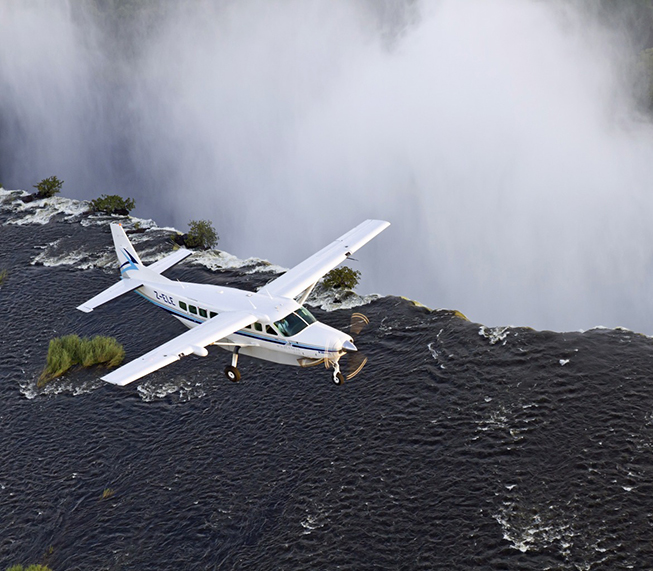
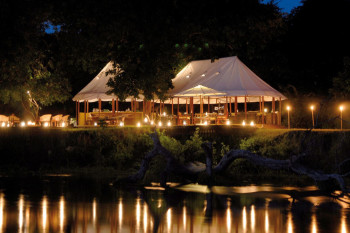
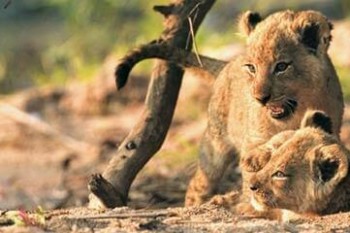
Explore our collection of 10 all inclusive safaris inspired by our African adventures. Visit the places we love! With our low price guarantee you can’t afford not to!
CHOOSE YOUR SAFARI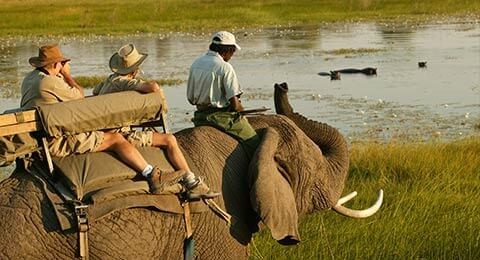
Where we’ve been featured







In 1996, after having lived and worked in Africa, Ian Proctor started Ultimate Africa in Seattle, WA, USA.
Read our story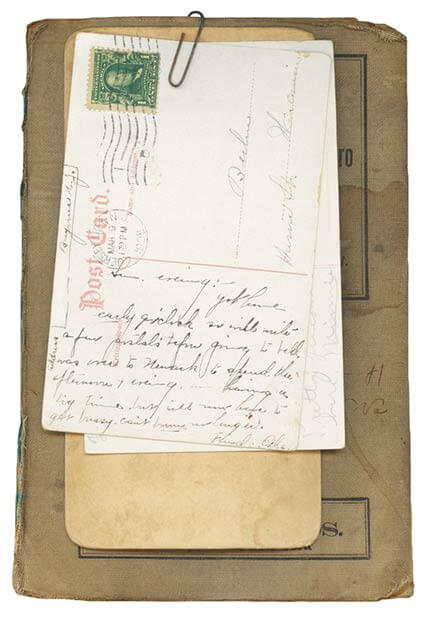
Ultimate Africa Safaris supports the education of Africa's children through the Mwabu Ischool program.
Read More
The endless plains of East Africa are the setting for one of the world’s greatest wildlife spectacles: the 1.5+ million animal wildebeest migration.
Read More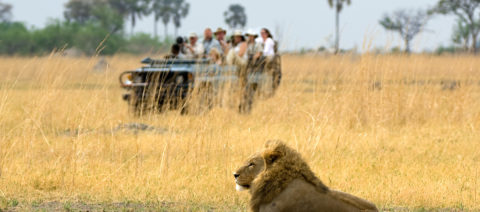
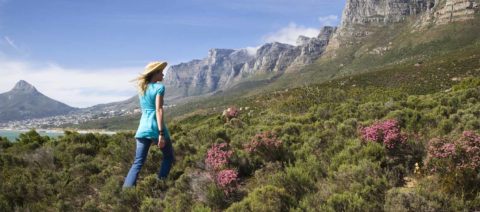
How to Plan a Bucket List Safari for Beginners
| By AdministratorTravel writer Brad Japhe just wrote a piece titled “How to Plan an African Safari – The Beginner’s Guide to a …
Quick Covid Updates
| By AdministratorAs time has passed so have many of the world’s Covid travel regulations… we are now seeing the final Covid …
Ultimate Africa Featured in Travel & Leisure
| By AdministratorTravel writer Brad Japhe just wrote a piece titled “How to Plan a Safari in Botswana, According to Experts” for Travel …
| 1 800 461 0682 | USA/Canada |
| 425 222 4060 | International |
| 425 222 4062 | Fax |
| info@ultimateafrica.com |
©1996-2023 Ultimate Africa Safaris®
4580 Klahanie Drive SE, PMB 211
Sammamish, WA 98029 USA