ULTIMATE AFRICA SAFARIS
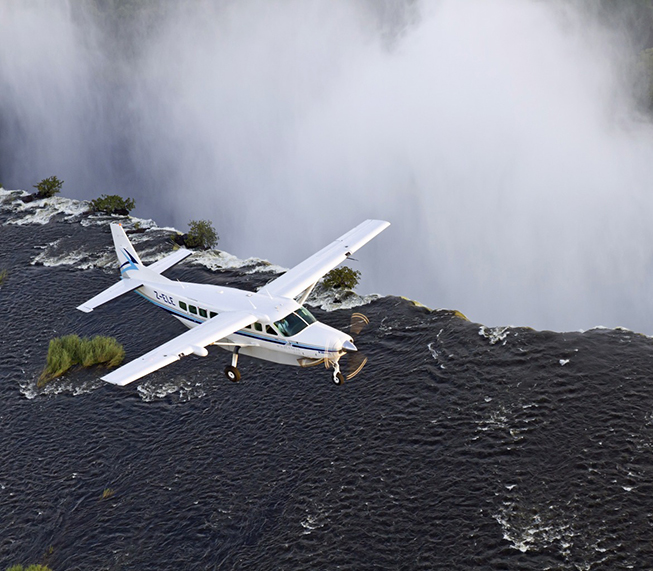
Ultimate Africa travel and wildlife news archive May 2004 Cape Grace Update, May 2 2004 The Cape Grace Hotel in Cape Town, South Africa is truly a spectacular hotel in terms of amenities and service. Guests receive luxury private transfers to the city center and local beaches, lavish full breakfasts at One Waterfront - one of the best breakfast venues in Cape Town, daily Cape history presentation and wine tasting, 24-hour complimentary Internet access in a state-of-the-art communication center, use of the hot spa area with sauna, steam room, mineral spa bath and rain and body showers. For 2004 the Grace is also offering 4 nights for the price of 3 nights The Cape Grace extends a warm welcome to all guests, especially the little ones. When they arrive, there is an African gift box with sweets, bath beans, crayons and coloring book to welcome them to their room. Plus a carefully thoughtout list of "Things to do in Cape Town". Younger guests also have the "Captain's Crew" - their very own menu from One Waterfront. Every evening in the library there is African story telling, and a homemade gingerbread man and flavored milk before bedtime. The Cape Grace is also making things more special for families. For a three-night stay, they now offer complimentary baby-sitting for up to 4 hours. With a 2 or 3 bedroom suite booking, mom and dad receive a complimentary 45 minute hair treatment to the value of R130 each and access to the hot spa area with sauna, steam room, rain and body showers and mineral spa bath. The Spa's signature African Cape Massage draws on the ancient Khoi San culture. Originating in the sands of time, the San are a people of storytellers, hunters and artists. It is said that to meet the San, is to encounter the spirit of the land itself. In preparation for healing, the Khoi San dance in circular movements. This treatment draws on the San's custom by introducing the circular massage technique in the pre-treatment phase with a relaxing head massage. Moving to the stomach, traditionally believed to be the central point of one's being, the therapist will begin with a full body massage using circular movements in a clockwise direction. The massage medium is an infusion of Shea butter and Snowbush, resembling the animal fat that the Khoi San people rub on their bodies for cleansing. The treatment ends with a gentle rain shower in the central hot spa area. Everyone knows how much a well chosen wine can enhance the enjoyment of good food. Well, whisky can do exactly the same, as more and more people are finding out. And as with wine, some whiskies complement certain foods better than others. It helps to have a wide variety available to you and who better to provide this than the Cape Grace's very own Bascule whisky bar and wine cellar, with the largest whisky selection in the Southern Hemisphere. To try something really new and memorable why not join other guests for a Whisky Dinner: July 13 with Johnnie Walker, hosted by Lucien van Huyssteen August 10 with Keepers of the Quaich and Rynaard van der Westhuizen October 19 with "Best of Scotland" and Christopher Martin, from Scotland Bookings are open one month prior to the event and the cost is R260 per person. Cape Grace Receives Accolades, May 2 2004 Two of America's most respected luxury magazines, Departures and Gourmet, have given extremely high marks to Cape Grace in their May 2004 issues. Departures, a magazine devoted to travel and the good life, is published by American Express exclusively for its Platinum Card members.It is sent monthly to some 685,000 subscribers. In its 2004 survey, 51,000 Departures readers graded hotels around the world, with Cape Town's Cape Grace voted "best hotel in South Africa." Singita, Londolozi and Mala Mala Games Reserves were placed in 2nd, 3rd and 4th place. For more than 25 years, Gourmet has been America's leading magazine for upscale consumers passionate about food and travel - with more than one million subscribers. The May issue contains a feature compiled by Gourmet editors, titled "The World's Best Hotel Dining Rooms," that singles out 16 hotels in all of Europe and Africa. The only "winner" in sub-Saharan Africa is Cape Grace's signature restaurant, One.Waterfront, described "as hip as its dotcom name, from the crisp décor to the fish and chips made with tempura-battered kingklip." East Africa Update from Tim Trench Safaris, May 2 2004 The rains have arrived on time, halleluiah (as my mother would have said). The garden has exploded, the road to our house has disintegrated, and the phone lines, unruly even in the dry season, have achieved autonomy. News from our corner of Africa has, like the phones, been as inconstant as ever. But unlike the phones, we have a good excuse. We have been busy. The first three months of 2004 were full of safaris, we are almost fully booked for the rest of the year, and are already in demand for 2005. It is wonderful to have defied the skeptics who said personal safaris had had their day, and to see the words of so many of you born out - that sticking to our principals would pay of, and that soon it would be a challenge to squeeze all our inquiries in! The temptation is of course to expand, but we do not see this as an option right now, and will continue as we always have - small and personal, with the overwhelming majority of our safaris being guided by me (Tim). In spite of a many years of experience in the bush, every day I'm on safari I experience something surprising, and these last safaris have been no exception. In fact, our last visit to Lake Nakuru was extraordinary! Camping in a beautiful private site, we had an endless procession of wildlife crossing in front and sometimes between our tents. Herds of buffalo, impala, zebra, and giraffe paid us daily visits as they headed for the waterhole in front of our dining tent, and there were many times when we wondered who was watching whom. A highlight was a male leopard, who visited at dusk to quench his thirst, but all paled when measured against our visit from "The King". This particular evening, our last in the park, we sat on the roof of the Land Rover just outside camp, sipping our "sundowners" and sharing the days last light with an impressive lion and his dinner - a male impala. As dusk turned to dark we returned to camp, and once settled around the campfire we all agreed that we must be wary when moving around that evening, as the lion, though obviously not short of a meal, was still quite close to camp. This decided, we thought little more about it, and after a good dinner headed for our tents for a good nights sleep until one o'clock in the morning, when we were woken by an eruption of sound. For even without peeping through the tent window it was very clear that our friend from earlier that evening was now sitting only 10 yards from us, roaring. As anyone who has been close to a roaring lion will tell you, this is certainly an imposing sound, and best enjoyed while using ear protection. Done roaring, the lion, apparently satisfied that he had made his presence felt, strolled back into the night. Excitement over, we also returned to our slumbers, and as we drifted off were only faintly disturbed by a faint but persistent tink, tink, tink, tink tink, tink, tink that merged into the other sounds of the African night. Early the following morning, as I stoked up the kitchen fire with Caroline 2 (our camp assistant and not to be confused (especially by me) with Caroline 1, my treasure), we discussed the goings on in the night. She calmly agreed that the lion had indeed been a little close for comfort, and yes she had been a little nervous. In passing I then asked if she had any idea what the metallic tink, tink tink sound had been in the night. She replied that it had been the lion.I said no, not the roaring, the tink tink tink sound. She said yes, it was the lion, drinking for a good 10 minutes out of the stainless steel bucket, a mere 4 feet from her very diminutive tent! Caroline 2 often surprises us. She had given us an even bigger surprise only a few weeks earlier, when she revealed that the reason she had put on a bit of weight was not that she was eating well, but that she was pregnant. It was therefore with equal relief and surprise that she waited until the following night, when she and the camp were safely back home, before she released her latest bolt from the blue; the arrival, a few weeks earlier than expected, of a very healthy 7lb 2oz baby boy named Don. Interesting times. The season over, we are now spending a little time at home, getting organized for next season which starts for us in June, and getting fit. We are doing lots of cycling between rain showers, and entering a few races (which Caroline is winning), and are hoping to run in the Lewa half marathon in June. We hope you are all well, and that we might see some of you out here sometime soon. All the best - Tim & Caroline Robin Pope's Zambia Update, May 2 2004 Robin and Jo Pope are two of Zambia's leading tour operators. Here is their latest news: We have been experiencing some heavy showers this week. We seemed to have a sudden influx of chameleons at the moment, sightings in the park have increased and even around camp there seem to be lots of the bizarre little green things.They really do look odd with their swiveling eyes - we feel like we are being watched from all angles. Kerri now has one in her room. She is collecting specimens ready for next week's trainee guide lectures and now has not only the little scrub hare, but also the chameleon, a praying mantis and a herald snake tucked away in her room. Hopefully the snake will stay in his new cooler box home or there could be blood shed and a few tears... The lioness which was spotted a few weeks ago carrying her young was seen this week. She was again carrying the cubs in her mouth but this time across the old Airstrip - a lovely sight for the guests who were lucky enough to witness her endeavors. Shanie's parents have been visiting this week and Simon took his new in-laws out for a day's birding. They were here for 5 days and managed to clock up 159 birds - pretty good going. There are still some of the migrants about including the woodland kingfisher. Jo and I were also out in the park one evening - racing to meet guests for sundowners. Leaving the office a little late we had to 'put foot' but still had time to stop and admire a beautiful pair of tawny eagles as we entered Lupunga Spur. There are lots of elephants around and also a couple of sightings of a large herd of buffalo, which pleased regular guests, Richard and Mary, who saw these on their last night on the way to meet us for champagne in the park. As for wild dog - Shanie had a wonderful sighting so over to her for more - My first drive in the park since I got back proved to be a very exciting one, with an amazing hour's viewing of one of the packs of wild dog that are in the area at the moment. I had not seen these wonderful animals for nearly 2 years and had never seen them interacting in the way that they were on Saturday. As we arrived at a lagoon near Chichele Hill the dogs were busy finishing off a recently killed puku. There was lots of growling and squeaking as the younger dogs got a chance to fight over the remaining bits. The older dogs had all collapsed under the shady bushes with very full stomachs. The vultures started circling over head and several hooded and white backed vultures landed to pick at some of the remains at the actual site of the kill. A nearby herd of elephants were extremely agitated and distressed by the dogs and several of the large females charged at them, trumpeting loudly. The dogs however seem fairly unperturbed and just retreated to the bushes and lay panting in the shade. It was fantastic to watch the interaction between the dogs, elephants and vultures, and a real treat to be able to spend an hour with the rarely seen wild dogs - back to Kim..... Stay well and have a great week. Cheers - Kim South African Airways Schedule Change, May 9 2004 Effective June 1, 2004 South African Airways will be making a change to its Atlanta schedule. The Airbus A340-600 has been operating the Atlanta to South Africa services since February 1, 2004 and with this experience it has been decided that a short fuel stop in Ilha do Sal en route to South Africa over the summer period is an operational necessity. The schedule effective June 1, 2004 until August 31, 2004 will be as follows (all times local): Atlanta to Johannesburg and Cape Town (Monday/Wednesday/Sunday) SA212 Dep. ATL 1030 Arr. JNB 1015 Arr. CPT 1325 Atlanta to Cape Town and Johannesburg (Tuesday/Thursday/Saturday) SA210 Dep. ATL 1030 Arr. CPT 0955 Arr. JNB 1255 Atlanta to Johannesburg (Friday) SA212 Dep. ATL 1030 Arr. JNB 1015 The Johannesburg and Cape Town to Atlanta flights are unchanged and the New York operation is unaffected. Flight SA 202 JFK-JNB will continue to operate non-stop over this period. For ticket holders who need to make changes tickets will not need to be re-issued unless the routing is changed e.g. via New York. In this case the original fare can be used as a credit towards a higher South African Airways fare. Any normal South African Airways re-issue charge will be waived. Orient Express Safaris Update, May 9 2004 Orient Express was voted Botswana's best tour operator in the year 2000. Here is their latest update: The Okavango seasons have turned quite drastically - from hot stormy nights we are now experiencing cool cloudless starry skies. Morning temperatures are very cool and warm weather gear is now needed for morning activities. The long and above normal rainy season has come to an end. During the past rainy season, incredible rains were experienced over the whole region. The Savute area in particular received extraordinarily high rain this season (amounting to double the normal annual average). The flood waters seem to have stopped their meandering through the delta. The flood that initially arrived at the pan-handle with such force has now slowed considerably, however the water levels at Eagle Island remain on the rise. The main reason for this is that the flood waters have now reached the large floodplains of the delta and are currently spreading out on the low lying areas. Another major influence in the flood control is the various fault lines that characterize the delta. Once the water hit these fault lines it is forced to "backfill" as the faults tend to act as a large dam wall. Once enough water has entered the system, the waters will eventually break over these natural barriers and continue their course to the bottom sections of the delta. Once the second push of water arrives from Angola, the water will also speed up its travels through the delta as it will basically be riding on top of the existing water. Other water of interest is the remaining pans and water-holes that were filled up during the rains. Many of these are now beginning to dry up and the majority of roads that were flooded during some of the rains are now accessible again. From the air it is possible to see the pans that are normally hidden from view (from the main access roads) and it is becoming evident that the pans will not have water for much longer. The Khwai River water level has risen quite dramatically over the past month. Although many of the roads in the area have dried out, our next challenge will be when the Khwai River floods the low lying roads as the river continues to rise. With the change in season and the surface rain water drying up, the vegetation is beginning to change as well. Many of the trees having started to lose their leaves already (such as the large fever berry trees - Croton megalobotrys) and others have started to lose the fresh bright green foliage that they grew during the rains. In most areas the grass sward has also begun to dry out and will continue to thin over the next few months making sighting game easier. As the winter approaches, so the termite activity will increase. They are one the controlling factors of the vegetation in the delta. During the winter months they cut the grass sward and take it below ground where they utilize it. Unbelievably, this termite behavior accounts for the majority of grass utilization in the delta area (far outweighing the amount of grass utilized by the mammals in the area). In contrast to the trees and grass are the succulents and wild-flowers. These are still flowering and their vibrant colors can be seen around the camps and on the activities. Some species include water lilies (Nymphaea sp.), wild stock rose (Hibiscus calyphyllus) and cats' tail (Hermbstaedtia odorata) and the balsam pear (Momordica balsamina), with its bright red fruit. Many of the herbivorous (animals that predominantly eat vegetative matter) and omnivorous (animals that eat both vegetative matter and carrion) animal species within the area are thriving on the flowers and fruits of these plants. The large number and widely dispersed water-holes all over the delta have meant that game are not restricted to the main rivers and large permanent water-holes. However, even with this difficulty imposed on the guides, they have managed to maintain good sightings throughout the month at all the camps. The impalas' rutting season has also started, and males can be seen and heard as they chase rival males away from the area and begin to physically challenge each other for dominance. Often their grunts and snorts can be heard well into the nights - something for the uninitiated to listen out for, as the sounds are often mistaken for large predatory cats. At Savute guides and management have reported that the past months lion sightings have been the best this year so far. It seems that the lions are coming back into the area and it should be only a short matter of time until we start seeing the large prides form again. These large prides and their elephant hunting are something that Savute has become famous for. Savute has also over the past moth provided some spectacular hyena, cheetah and wild dog sightings. On more than one occasion there have been sightings of a number of different species at the same place and at the same time - giving clients and guides an opportunity to witness the various interactions between the predators. The top sightings for April were as follows: A big male leopard was seen across from the government campsite on the main road to Savute. Nearby the leopard sighting at Savute the guides also found 2 lionesses and three cubs. Two wild dogs (one with a radio collar) were seen halfway between the camp and the Khwai village. The collar is used for telemetry racking and aids the Botswana Wild dog Research Project in monitoring the dogs. 5 wild dogs were seen at the Khwai River Lodge airstrip - one male, one female and three sub-adults. Outside Moremi near Khwai River Lodge - a pride six lions were seen (including cubs). Large herds of Zebra on the Savute marsh. This is the "return" migration that is coming back through the area. Zebra and wildebeest normally move through at the start of the rains and then move back through once the rains have come to an end. A pride of lions were seen eating off a buffalo kill at Savute. Regarding birds many of the migratory birds are starting to leave the area. Species such as the woodlands kingfishers and blue checked bee-eaters have already become very rare. One of the best sightings that we had this past month was that of an arrow marked babbler feeding a striped cuckoo fledgling. The reason for this cross-specie interaction is that the striped cuckoo is a parasitic nester (i.e. they lay their eggs in other bird's nests and get the other birds to raise the young for them). Striped cuckoo are parasite specifically with babblers. Many different owl species were seen on a regular basis this month. The owl species that were often seen and heard, include the Verreaux's (Giant) Eagle Owl, Barn Owl (roosting in the palm trees next the office), Scops Owl, Pearl-Spotted Owl, Barred Owl and the Wood Owl. There have also been regular sightings of Pel's Fishing Owl at Eagle Island and a couple of sightings at Khwai River Lodge (inside the Moremi Game Reserve). Palm Swifts have been nesting in the palms in and around the camps. These little birds nest in the crevices and folds of the palms and secure their nests into these positions. Often, strong winds may bring down a palm frond - ultimately destroying the nest. This has been happening on a fairly regular basis as the winds have been increasing as we go into the winter months. There have been numerous sighting of a variety of frog species at all the camps. Their choruses run late into the nights and mixes wonderfully with the other bush sounds. With a little effort and some mud splashing it is possible to locate several species of frogs in a very short space of time. One downfall however is that you need several people on the look out for hippos and crocodiles. Various reptile sightings included those of a young monitor lizard at Khwai River Lodge as well as an abundance of flap-necked chameleons. With the high water levels, many reptiles (and other animals) are being pushed to the dry islands. The frequency of reptile sightings is likely to main fairly high until the cold winter weather causes them to reduce their activity. Muchenje Lodge Update, May 9 2004 Muchenje Lodge is located on the western boundary of Botswana's famed Chobe National Park. Here is their latest update: It is starting to get a tad cool in the evenings and early mornings so please remember to bring a warm outer layer of clothing. Travelers will probably need about 3 layers - one for early/late, one for mid morning and on the way back from the game drive and one for the middle of the day - which is beautiful. The flood is slowly receding, in my opinion anyway, Pete says the grass is just growing taller up through the water. Whichever, it is still a beautiful expanse in front of the Lodge. As we have had no rain for several weeks, the random waterholes are drying up and the game viewing along the river area is starting to pick up considerably. Yesterday Neo and guests followed a male and female lion for several kilometers along the river whilst in the boat, then when they returned to the vehicle, they picked up the tracks and followed further. They were then duly treated to the first of many matings. Our Muchenje females who went underground (so to speak) to have cubs still haven't surfaced so not sure what has happened there. Hopefully soon we will see them an can pass on some good news. Birding has been spectacular for those enthusiasts. We've even had some converts - not birds, guests who weren't interested in them before. Grass is on it's last legs, and the trees are now starting to wear their autumn colors. Ele's have been raiding the marula trees again, and unfortunately pruning several other trees and bushes, close by the lodge, leaving HUGE calling cards in their wake. We are walking guests to their rooms at the moment till they move through. Last night I think one of them ate too many green ones because he was making a hell of a noise for quite some time. My pride and joy, the vege garden has been untouched so far. The zebra still haven't arrived from Savuti yet, but still seeing eles, buffalo, impala, owls, genets Last week apparently they saw a chameleon in the middle of the road doing a little waltz routine. I think that's about all for now. Take care - Kindest - Sandi Robin Pope Safaris Weekly Update, May 9 2004 Robin Pope Safaris is one of Zambia's most famed tour operators. Here is their latest update: We are all a little slow this morning as Robin and Jo had their house warming yesterday - a lunch party which finally ended at around 8:30 in the evening - a fantastic day sitting out under the trees, drinking pims and bloody mary's, an excellent braai orchestrated by Robin and Jason Alfonsi and then swimming, snoozing and chatting - a perfect lazy Sunday, except for poor Shanie who was busy covering for Emily at Nkwali and had guests arriving and departing for most of the afternoon. Called "RoJo's House" the new house is situated at the back of camp, overlooking the grass dambos and in the distance the Chendeni Hills. Finally Robin and Jo have built their dream house and Jo is showing spectacular domestic tendencies after 16 years of living in the bush without showing any house pride at all. She now discusses curtain fabric and has learnt how to use a magimix. We are all finding it quite a hoot!! Last night guests were lucky enough to see the lioness and her little cubs again. She seems to be quite a performer and does not mind guests photographing her as she moves her brood around. Simon told us he had a critical job to do on Saturday - it turned out it was taking his wife, who was suffering from cabin fever, out on a birding trip in the park. They saw some lovely birds - Simon managed to get super shots of a three banded plover and an African jacana. Paul had a rather unusual sighting of a puku being attached by vultures - it seemed to still be alive and so must have been injured and the vultures were taking advantage of its lack of mobility. Tuesday is the total lunar eclipse and as we speak Shanie is busy researching on the internet to see what time we should all be ready for the hopefully spectacular sight. Amazing to have this technology in the bush...... Stay well and have a great week, Cheers - Kim South African Airways Implements Fare Levy, May 16 2004 South African Airways has joined a number of airlines in dealing with the effects of the high and rising cost of jet fuel. The Chief Executive of SAA, Mr. Andre Viljoen, announced that SAA will implement a levy to 'partially offset the increased price of jet fuel.' The levy, to be implemented immediately, will be as follows: All tickets sold outside South Africa will have a levy of US $10 per flight leg. At this time it looks as if this will apply to new ticket purchases only. Orient Express Safaris Update, May 16 2004 Orient Express Safaris was voted Botswana's leading tour operator in the year 2000. Here is their latest update: When visiting Orient Express camps in the Okavango Delta, you may wake up one morning to discover strange dung like substances on the trees around the camp. What is this? Who did this? The culprit is non-other than the resident hippos that roam the camps feeding at night. Hippos have developed a system of dispersing and breaking down their dung - a system that prevents "pollution" of their natural water habitat. As the hippos defecate, they flip their tails at high speed (comparable to an airplane propeller) - this has the effect of breaking down and scattering what would otherwise be very large "dung balls". When in the water, this system works extremely well in that the small organisms in the water can then easily and effectively break down the waste matter and "clean" the water ways (which would otherwise become overloaded with waste)...however, hippos also do this on land (where it is not necessary). This action by the hippos on land often ends up with dung being sprayed high up on trees and other objects that may be within the camp surrounds. Eagle Island Camp has had several sightings of snakes lately...many of them in the water. With the flood waters surrounding the camp, snakes (and other animals) have been forced to cross the waters when they want to move to other areas. On one occasion a snake was spotted after a guide witnessed a Spurwing goose behaving in a strange manner. The guide noticed that the bird was trying to fly off (wings lapping etc), yet was not getting airborne. On closer inspection he noticed that the bird's feet were for some or other reason stuck in the water - the cause...an African rock python had caught the bird the by the feet and was preventing it from taking off. Eventually the bird stopped struggling and the python won its meal. Many people wander if there are different species of snakes that specifically can swim or whether all snakes swim. Although certain species are more prone to swimming than others, all snakes can swim - and they can swim extremely well. On a variety of occasions snakes have been spotted in rivers, lakes and even the sea. One such recorded incident was of a puff adder in Lake Kariba (Zimbabwe/Zambia) - it was spotted over 10 kilometers from land. Recently at Savute Elephant Camp, clients were privileged to witness an encounter between hyena and wild dog. The confrontation took place at the water-hole in front of the camp late one evening last week. Initially the pack of wild dog (totaling 11) came to the water-hole to drink. After a short while, 4 spotted-hyenas approached the same drinking place. The wild dogs immediately challenged the hyena and began chasing them - darting in and out while trying to bite them. Following this the dogs managed to separate the hyena and surrounded one individual. Once this was done the dogs took it in turn to dart in and nip the hyena and then speedily retreat...while the next one darted in. The hyena took quite a hiding before managing to break through the encircled dogs and running off into the surrounding thicket. Many people would think that wild dog would not challenge hyena - however this kind of scenario is fairly common place. There is an eternal hatred for each other and although not part of each other's diet, both tend to cease every opportunity to try and kill the other. When the odds are not even, deaths are sometimes recorded. Both species will also attempt to kill the others young should the opportunity arise. Air Botswana to Fly Cape Town - Maun Direct, May 16 2004 From October 2004 Air Botswana will commence direct flights between Cape Town, South African and Maun, Botswana. The actual schedule has not yet been released. Jacana Safari Guide Report, May 16 2004 Wilderness Safaris, one of southern Africa's leading tour operators offers a trip called the Jacana Safari in Botswana. Here is a guide's update from a recent departure: Great game viewing all around on this safari. Our first stop was Kaparota Camp in the Okavango Delta, and the very first animals seen were a herd of breeding elephants which were lazing about on the airstrip. At camp, we came across a hyena dragging off a leg from an unidentified carcass and a pride of 4 lions consisting of a male, female and 2 cubs. There were a lot of elephants around the Kaparota area as well as hippo. We had a brief glance at a leopard nearby camp. We also managed to catch sight of some bush babies, giraffe, zebra, sable, lechwe, impala, warthog, baboons, a genet and an array of birds which the guests thoroughly enjoyed. At Jacana Camp, also in the delta but in a wetter area, the mokoro lesson was interrupted by the resident elephant "Jack" who decided to cross the water to an island nearby. At Linyanti Tented Camp we were lucky to see a small female leopard crossing the road in front of us. The vehicle was alive with many cameras going off! Again, lots of elephant and calves were seen. The first night out we saw 3 wildcats, genets and 2 white faced owls. At Chobe a big troop of baboons kept the guests entertained for quite some time and even more interesting were a pair of elephants mating. As we all know Chobe is very popular for large herds, and this time was no exception! We came across two herds of about 1,000 buffalo each - great photo opportunities and also an amazing site to see as always. Overall, it was great trip for wildlife and guests had a fabulous time!!! New Road to Ngorongoro, May 16 2004 Big news for northern Tanzania - They've done it. The new road from Arusha is now all the way to Gibb's Farm and it's fantastic. The driving time is now less than two hours from Arusha to Gibb's Farm. What this means is, you can now easily get from the gate at Lake Manyara National Park to Gibb's in only 25 minutes. The road construction crew is well on their way to the Ngorongoro Crater Gate so this drive time will soon be about the same 25-30 minutes from Gibb's Farm. Robin Pope Safaris Weekly Update, May 16 2004 Robin Pope Safaris is one of Zambia's most famed tour operators. Here is their latest update: This last week began rather spectacularly with a total lunar eclipse last Tuesday evening - this phenomenon only occurs at full moon and when the earth blocks all direct sunlight from reaching the moon. To mark this special occasion we planned a surprise bush dinner for the guests. Simon and I went out early to set up and await the arrival of the guests - this took some time as it was the first time we had used the new roads at the back of Nkwali and it is a bit confusing to say the least, driving amongst the tall grasses. Although the guides would never admit it, I think some of them definitely got a little lost! Luckily it was clear night so we had a clear view of the moon slowly being covered with a shadow and eventually turning a coppery red - quite a sight to behold as we sat around a big camp fire sipping champagne. Gameviewing in general has continued to be fruitful with good sightings of cats including lion, leopard and serval. Some of the RPS staff went for a Sunday afternoon drive and sundowners in the park and had this great sighting of a very relaxed big pussy cat (lion). During tea yesterday afternoon a herd of elephants tried for the first time this season to cross the river in front of the bar. They got about half way across before deciding that it is still too deep and retreated to the far bank. A very large crocodile was lurking nearby and began taking an active interest in the elephants. It was very interesting to watch how the large female elephants made sure that the babies of the group were well protected in the center so they did not come to any harm. Orient Express Safaris offers Charter to Botswana, May 23 2004 Orient Express Safaris are now offering a private charter service from Lanseria Airport in Johannesburg to their Khwai River Lodge in Botswana. This service will run through the end of September 2004. This charter service allows for more intimate service (Lanseria is a much smaller airport than the Johannesburg Airport) and guests can be flown straight from Johannesburg to their first safari camp (with a stop ˝ way in Francistown for customs and immigration). The service will be in a Cessna Grand Caravan with 12 seats. Please contact our office for further details. Okavango Flood Update, May 23 2004 While the Okavango has being steadily filling up these past few weeks the arrival of the second "spike" of new flood waters (caused by the rains that fall in Angola in January, February and March) has not materialized. The water levels in some areas of the Delta had dropped by about 10cm over the past weeks - but they have started rising fractionally once again. It appears as though the biggest effects of the first and early flood waters have been more felt in the west of the Delta. Large areas around Mombo are still largely dry. The main flood from that first and early pulse is now just past the "Buffalo fence" just outside of Maun and should be reaching Maun shortly. Some of the flood waters in the East of the Delta have already gone way down the Gomoti River and the floodplains are starting to fill up there - although Chitabe is still dry. In the Linyanti area, the Zibadianja Lagoon is reasonably full from localized rainfall - but not from the flood waters from Angola. They are still waiting for the flood waters to get to the Linyanti area. The waters have pushed about 300 meters down the Savuti Channel but have stopped flowing for now. Victoria Falls Hotel Special, May 23 2004 The Victoria Falls Hotel at Victoria Falls is celebrating their 100 year anniversary. For 2004 they are offering a 3 night stay with for the price of 2 nights! In addition they are offering complimentary laundry, complimentary High Tea for two, a 50% discount on a massage treatments and a gift from the General Manager, upon arrival This centenary year offer is valid through till December 31, 2004 and is applicable to ALL room categories. Tip: If you are only able to spend 2 nights, please book the 'three for two' offer and use the 3rd complimentary night as a confirmed early arrival or late departure! Why spend 3 nights in Victoria Falls? This is a destination of incredible beauty, natural wonders & African delights ~ walk from the Victoria Falls garden path to the Rain Forest; enjoy the Flight of Angels helicopter flip; indulge in an early morning sunrise or sunset Zambezi cruise; shop at Elephant Walk craft market and bargain like a local; experience the magic of an elephant back safari; take a late afternoon game drive or jump off the bridge, swing across the gorge, or white water raft the falls that's WHY!! For those who wish to simply unwind enjoy afternoon high tea on the Victoria Falls Hotel Terrace with views of Batoka Gorge and the spray of the falls, enjoy fine dining and dancing in the Livingstone Room, partake in a guided historical tour of the Victoria Falls Hotel with cocktail in hand! Read a good book and sip iced tea at the Edwardian pool, with the rumble of the falls & marimba drumming filling the air or enjoy a pre-dinner glass of bubbly or a whiskey and cigar in the Bulawayo Room, as the pianist tinkles away. The ultimate relaxation may be an aromatherapy massage in the hotel's Beauty Salon. Cape Grace Releases 2005 Rates, May 23 2004 For 2005 Cape Town's Cape Grace Hotel is raising rates a conservative 5% to keep in line with inflation. As always the Cape Grace offers and incredible value experience as one of the world's best hotels (voted world's best hotel in 2000 with the highest score ever). For 2005 the Cape Grace will continue to offer their popular 4 nights stay for the price of 3 nights across ALL room categories. For stays of 3 night's guests may request 5% override OR they can use the '4 for 3' offer and book the complimentary 4th night as an early arrival or late departure. In addition please note the following complimentary amenities and services on offer to guests of the Cape Grace: Unlimited use of the Hot Spa: mineral spa bath, steam room, sauna, rain and body shower / Luxury transfers within the City Center / 24/7 complimentary internet access in the communication center / Early morning tea/coffee with wake-up call / Informal wine tasting and Cape orientation hosted every evening / Surface & underground parking / Cleaning and servicing your room at a time that is convenient for guests / Daily newspaper and overnight shoe shine / Café Complet served in the guest library / Gym equipment in-room (upon request) and/or transfer and access to nearby health club. Cape Grace Receives Best Service Award, May 30 2004 The readers of Travel & Leisure magazine have selected hotels across the globe that are true examples of high-quality service. The Cape Grace was voted best city hotel in Africa & Middle East and third overall in this category; scoring 92.42%. Muchenje Lodge Update, May 30 2004 Muchenje Lodge is located on the western border of Botswana's famed Chobe National Park. Here is the lodge's latest update: The flood is slowly receding in front of the Lodge and the sunsets are amazing. I think we will still have water for another month at least. In the park it is also dropping but as there has been no rain for some time, the river is once again a hive of activity. The bottom road in the park is still under water but shouldn't be long before parts of it are accessible again. The grass has just about all died and the leaves are fast falling from the trees. Visibility is getting much better for gameviewing! With the cooler weather, guests have seen loads of hippo out of the water from the boat. One guest said they looked like a great mass of rocks. Crocs are still plentiful. The Muchenje pride of lion are still being a little mysterious, but we believe one has had babies, not sure about the other one yet and we haven't seen the young male for a while. The other prides are still strong though and though not seen every day most guests see some on at least one drive. A caracal was seen in the park - it is about the second sighting in 4 years at Muchenje. The zebra have arrived so guests can add them to the list of possibilities to be seen on the drives. Neo and guests were treated to a very nice leopard sighting last week.Night drives, have seen honey badger, elephant, buffalo, bush babies, scrub hare, wild cat, genet (not my chibuku Jacana Safari Report, May 30 2004 Wilderness Safaris runs their "Jacana Safari" in northern Botswana. Here is the latest Jacana Safari report: We started off with our safari in Chobe. As usual there were loads of elephants (a sighting of more than 400 elephants drinking at the riverside) plus a huge herd of about 20 sable and roan antelope. The lion sightings during our stay at Chobe were magnificent (4 different sightings including a lioness with two very small cubs) and on our way out another pride resting next to a buffalo carcass which they had been eating through the night. Also at this carcass sighting, we had the opportunity to watch a couple of jackals and vultures fight over some buffalo scraps and witnessed a tawny eagle swoop down and grab the tail of the buffalo. It then proceeded to fly over our heads with the tail dangling out of its mouth - AWESOME !!! Off to our next stop, which was Linyanti. We were luckily enough to see a pack of wild dogs at their den (8 puppies & 10 adults) ...the interaction was amazing and proved to be a great photo opportunity for all. A baby elephant was also spotted - only 1 day old, still pink and unstable on its legs. At Kaparota Camp, we decided to go on a canoe ride and came across a bull elephant, which got the adrenaline running for most. Later that day we spotted a gorgeous male cheetah on an impala kill. Something one doesn't get to see too often. We ended the safari with a traditional dinner and as usual it was a big hit, especially eating with our hands.... and so ended another wonderful safari. Sanctuary Lodges Botswana Update, May 30 2004 Sanctuary Lodges (Abercrombie and Kent) in Botswana have three safari camps / lodges - namely Stanley's in the Delta, Chief's in Moremi and Chilwero at Chobe. A fourth, Baine's Camp, has not yet opened. Balloon safaris have not been introduced at the newly upgraded Stanley's Camp and Chief's Camp has been voted as one of the Top 5 camps in Africa by Travel + Leisure magazine. Ndutu Lodge Update, May 30 2004 Ndutu Lodge is located on the southern border of Tanzania's Serengeti National Park. Here is their latest news: This year's April-May months are again so different from previous years. All over Tanzania the rainfall pattern showed very localized showers throughout the wet Season. However, Ndutu was blessed with enough rain off and on since the end of November and this resulted in plenty of animals close and around the Lodge all the time! On the surrounding plains this erratic rainfall seems to have confused even the wildebeest, who moved constantly to and fro never staying for much time in one area more recently, large herds of zebra grazed along the two rivers leading from Naibardad or "Twin Hills" while gazelles and the large, beautiful eland antelope were plentiful on the surrounding plain. It was a delight to see them grazing in the midst of thousands of yellow daisies, bright as buttons in the sun. Now, unmistakably, it seems the wet season is over, the carpets of flowers are drying, the flowering grasses are turning to pure gold in the early morning sun, little pools of water are becoming stagnant mud holes and our salmon-pink aloes are starting to flower! This of course attracts the Variable and Red-chested Sunbirds and these can be seen all around the Lodge buildings, moving from flower to flower to suck the nectar. On many nights the ground is alive with busy harvester ants and thus tons of grassy material is returned to the Serengeti soil. Bushes and grass turn into veritable pieces of art when heavy mist on some early mornings shrouds the area. When the sun finally appears these dew-laden 'objects d'art' show the millions of normally invisible intricate spider webs all around us! Just along the woodland borders the red-billed Queleas are in full swing. They have just finished building their untidy nests, and now thousands and thousands of little birds are flying back and forth feeding amongst the purple-flowered Erlangea. At sunset the low fast-moving clouds of golden wings are quite a sight against the red and orange skies! Just now the great herds of wildebeest and a lot of zebras are starting to move slowly north and most of the elephants seem to have gone to the Makao-Kusini south western woodland border. But we are still seeing a few family groups and an occasional bull elephant in the Masek area. The territorial leopards, lions and other smaller cats are all around and spotted off and on! However, it's probably cheetah that are still the cat stars of Ndutu and most visitors enjoy seeing females with little cubs in the surrounding plains or the 3 brothers in the Marsh! They still seem to be the guests' most favorite animal! On the baby front, one of the Masek lion pride females was seen three weeks ago with tiny little cubs; the Masek hippo group has one baby, seen 2 days ago, and even more special: a baby croc was spotted! For the past four years, "Ndugu Snap", as we christened the resident crocodile, has controlled the open water area of the marsh in solitary splendor so how a baby croc has arrived is still a bit of a mystery - maybe it is a case of "immaculate conception" We will try and keep an eye and a pair of binoculars on the 'mamba' secrets! Early May brought us a truly wondrous spectacle in the night sky with a clear night and full moon and lunar eclipse .It was also one of the only two nights during the past four weeks that we "HP's" or home-people (a phrase used by our staff) were without guests. We sat around our small fire in front of the Lodge, put up the scope and together with binoculars we watched with amazement how our Earth shadow slowly covered the moon. It was a memorable event and quite a few of our staff came over to look through the scope. That wasn't the only excitement! Last night we spotted a comet with the inspiring name of C/2001 Q4 NEAT in the sky which was also wonderful on the star front! How blessed we are with our clear skies untouched by any artificial lights!!! On a sad note the last of the 'old' six rooms today was demolished; a big thud and remaining wall of room number 18 came down; a bit of history for Ndutu to those who remember the very early days! On the bright side, when at the end of this year the four new Cottages will have replaced the last of the old rooms, all the accommodation will be the same and renovated in one style. Almost half of our regular staff is now on leave and things have finally quieted down. These are peaceful and calmer days and we know just how lucky we are to have one of the most unique wildlife areas in this world right on our doorstep! Robin Pope Safaris Update, May 30 2004 This has been a fantastic week for wild dog lovers. One morning guests were having breakfast at the Nkwali bar and a lone dog was spotted across the river. The wild dog chased a bushbuck and almost brought it down but the luckily for the antelope managed to dive into the river for safety - also luckily avoiding the crocs. Antonia, one of our lovely regular American guests, had an amazing experience. She is an avid photographer and does not do much walking.One morning Peter the guide spotted a pack of wild dog while on their drive - out they jumped and walked across to a good viewing spot. The small group then had the most amazing sighting of the dogs on a puku kill and watched for sometime as the pack socialized, ate, rested and generally did what dogs do - needless to say Antonia came back buzzing with excitement. The Nsefu sector is looking beautiful. Baka Baka has plenty of water and is brimming with birdlife. Lots of elephants were in the area and I saw two new birds - well new to me. A chestnut bellied kingfisher and a mouse bird - both beautiful but especially the kingfisher - stunning blue. I also saw a pair of crowned cranes. There are also lots of flowers still around which are attracting "clouds" of butterflies. This morning Simon and Shanie were stranded in their house. A family of elephants decide to camp out in the garden and looked like they were in no hurry to move on. The intrepid couple ended up having to vault over the bathroom wall and tiptoe away from the house. Luckily they still have an open air bathroom otherwise they would have been holed up for several hours - the perfect excuse for being late! Stay well and have a great week - Cheers Return to Weekly Update Archive |